You have made your first step in building a successful business with Lifestyles. As such, it is an honour to send out this note of congratulations to you on your decision. We look forward to giving you the support you need on your journey to the top as you build, and grow a prosperous Lifestyles business and live better every day.
YOUR NEXT STEP TO SUCCESS
Now that you have joined the rank of a 20% Distributor you are now eligible for a promotion as a Direct Distributor. To qualify you need the following:
Personal Group Volume of 1,400 points
Concentrate now at building a intra herbal juice customer base network in you area ( and we will help You with international network):
Why?
Customers are the lifeblood of your Lifestyles Intra business, and that’s why I highly recommend you get good at finding, getting, and keeping customers.
intra juice customers
TIP.
If Your enrol new Member and he is a new one – You will receive 8% Fast Track Bonus and 10-20% wholesale Bonus!!!
Intra Lifestyles Income mlm
New Incentives
incentives
Remember.
“It ALL starts with a DECISION . “
Success in MLM starts with s DECISION to succeed. Most never make a decision. They instead, make a choice to TRY the business. That is how the average think and engage this MLM business. Make a Decision to Succeed- and you will.
never quit
Do You have the Vision?
“Your Heart MUST be Connected to the Vision you have. ”
Your HEART is the REAL POWER in MLM Success. It must be connected to the Dream that you have for your business. You can do anything you want in MLM that you set your mind to, as long as it is Powered by the HEART! People will hear your words, but FEEL your heart. Connect it to the Dream.
Do You have a questions?
Please contact sponsor or us, and learn how you can achieve the next level of success.
Congratulations again on your promotion!
Sincerely,
Tomas Ing. Cincala & Regina Cincala, NMD UPLINE
DISTRIBUTOR ID: 12499042, Tomas Ing.Cincala
DISTRIBUTOR ID: 13980442, Regina Cincalova
The Global Intra Team
Tell Us how we can help You? We are grateful for the pleasure of serving you and meeting your Intra needs. Please use the Contact Form at https://intra-lifestyles.com/contact-us/ for any questions you might have regarding Lifestyles products, we’ll respond to your e-mail within 24 hours!
Renewal? How to Renew Your Lifestyles Membership and discount?
Dear Member.
Thank You for the interest in Intra Lifestyles herbal Drink. Did You received this letter: “Intra Lifestyles Membership Expiry Date”.
Dear Lifestyler.
Our records show that your Lifestyles membership will be due for renewal. You can either contact your local Lifestyles office to renew, or you can renew in the Shopping Cart during your next product order.
Best wishes
Lifestyles GN ( Local Office)
Please note you have not yet renewed your membership for the year. It is very important to renew your Distributorship/Membership before your expiry date in order to enjoy your distributor’s qualifications and benefits continuously. Contact us or your sponsors, local office, or up lines for help.
100% money-back guarantee on a 30-day supply per person. Free Returns
Pay conveniently with Cash on Delivery, Credit Card (VISA, Mastercard, American Express, Diners Club), Paypal, Cash in Advance, Direct Debit, Invoice, or Instant Bank Transfer.
3… ADD TO CART VERIFY ORDER, FILL IN YOUR SHIPPING INFORMATION
4… PROVIDE PAYMENT INFORMATION AND CLICK „CHECKOUT“.
CONGRATULATIONS! WELL DONE!
THANK YOU WE ARE SENDING YOUR INTRA ORDER…
THANK YOU WE ARE SENDING YOUR INTRA ORDER…
Lifestyles intra herbal juice is backed by a comprehensive, no nonsense guarantee.
The customer simply returns the unused portion in the original carton to the Distributor who sold him or her the product within 30 days of the date of purchase.
Please Select your Location for Pricing and Ordering:
Visit the Lifestyles Intra Shop to purchase Intra and other Lifestyles products online.
Lifestyles intra herbal juice is backed by a comprehensive, no nonsense guarantee. The customer simply returns the unused portion in the original carton to the Distributor who sold him or her the product within 30 days of the date of purchase. We are grateful for the pleasure of serving you and meeting your Intra needs.
Lifestyles Intra Prices: Lifestyles Intra is only available through Independent Distributors and is NOT sold in stores.
Frequently Asked Questions About Intra Lifestyles in Malta
Where can I buy Intra Lifestyles brand online at the lowest price in the Malta?
Lifestyles Online Shop is the best online shopping platform in the Malta where you can choose to buy from the largest selection of original Intra Lifestyles products.
What are the top Intra Lifestyles products available on Lifestyles SHOP?
Lifestyles helps you to shop online and delivers Intra Lifestyles products to your doorstep. The best sellers after considering the top product reviews, rankings and benefits are: Intra Herbal Juice, NutriaPlus, Cardiolife and Fiberlife.
Does Lifestyles Online Shop have 100% authentic and legit Intra Lifestyles products online?
Online Lifestyles Shop is owned by Intra Lifestyles GN, Lifestyles Euro and all products made directly by Lifestyles GN Canada. They have a dedicated team who specialise in quality control delivery. We also provide a free 14 days return policy along with 24/7 customer support experience.
How to save? How to Join and SAVE UP TO 30%?
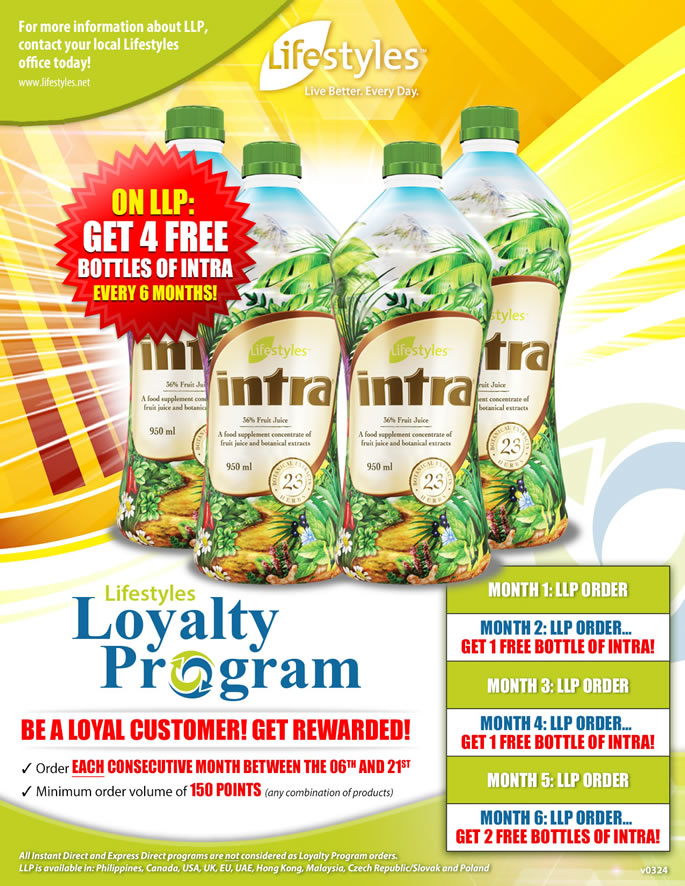
Be a loyal customer and get rewarded! As a Preferred Customer, you enjoy a discount of 10% -20%, so you will save in the future. Be a loyal customer and get rewarded. The minimum order is 150 points, receive free products. Join and Save.
In this article, we’re breaking down everything you should know about gout.
What is gout?
Gout is a type of arthritis. Small crystals form inside and around the joints, which can cause sudden, severe pain. There may also be some swelling.
Sometimes a gout attack may start suddenly, while at other times it can be caused by things such as:
A high temperature
Becoming dehydrated
Drinking too much alcohol
Eating a large meal with a lot of fat
Suffering an injury in a joint
Taking medicines for high blood pressure, or diuretics
A gout attack may last for days or weeks, but no matter how long it is, you should seek treatment as soon as you notice any of the symptoms listed below.
What are the symptoms of gout?
Sudden, severe pain in a joint.
Swollen red skin on and around the painful joint.
Hot skin on or around the joint.
Fingers, knees, ankles and toes are commonly affected, but any joint can experience symptoms of gout.
The length of time between gout attacks can be weeks, months or years. Most people with gout experience multiple flare-ups throughout the years. If someone gets lots of flare-ups, it’s known as chronic gout.
You may have an infection if:
The pain becomes even more severe.
You have a high temperature, but you’re shivering.
Contact your primary care provider if you have any of these symptoms. Getting treatment quickly can minimize any damage caused by the infection.
Who is likely to get gout?
People are more likely to get gout if they:
Are male and over the age of 30. Are overweight.
Drink excessive amounts of alcohol, particularly beer or spirits.
Eat excessive amounts of red meat or seafood.
Have one or more of the following health conditions:
Diabetes, High cholesterol, High blood pressure, Osteoarthritis
Problems with their kidneys, Have been through the menopause
Have family members who have gout (particularly close relatives)
Have had surgery, Have had a recent injury
Take diuretics or medication for high blood pressure
Gout is caused by the build-up of uric acid, which is a byproduct of purines in the blood. Your body gets rid of uric acid when you go to the bathroom. Both these substances are normal, but uric acid can build up in your blood if your body makes too much of it, or if your kidneys don’t function well. Uric acid forms tiny crystals in and around your joints if too much of it builds up. This is what causes the pain and swelling.
Does gout cause any complications?
There are a few possible complications of gout, some physical and some mental.
Joint damage
Perhaps unsurprising, considering how gout affects the joints, frequent flare-ups can lead to joint damage, especially if the gout goes untreated. If the damage is severe, you may need surgery.
Kidney stones
As well as leading to gout, high levels of uric acid can also cause kidney stones to form. Kidney stones are made of minerals and salts which have crystalized and stuck together to form hard deposits.
Kidney stones can make passing urine painful, and you may feel like you need to go to the bathroom more often. Other symptoms include severe pain in the side, back, lower abdomen and groin; blood in the urine; cloudy urine; nausea and vomiting.
Sometimes kidney stones can be passed naturally, which can be uncomfortable and even cause pain. At other times, surgery may be needed to remove them.
Tophi
Tophi are small, white lumps. They form under the skin, and are a result of the build-up of the crystals that form around your joints when you have gout. You’re more likely to get them if you suffer from chronic gout.
Tophi normally form around:
Ears
Elbows
Fingers
Forearms
Heels
Knees
Toes
Sometimes they can be painful, but not always. They may become inflamed and produce discharge, in which case they need to be treated. Inflamed or particularly large tophi may be surgically removed to prevent joint damage. Smaller tophi can be shrunk using a combination of medication and lifestyle changes, of which we’ll discuss more later.
Erosions
Gout can cause bone erosion. When parts of the bone have been eroded, your joint will typically have issues functioning correctly. You may need surgery to correct the issue. One study found that 44% of patients with gout also had bone erosions. Bone erosions were more likely to be seen in those who were older, had had gout for longer and had tophi present.
Anxiety or depression
The symptoms of gout can make it difficult to go about your everyday life. This, in turn, can affect your mood, and in more serious cases may lead to a mental health condition, such as an anxiety disorder or depression.
Anxiety and anxiety disorders
Anxiety is a normal emotion for us, where we might feel tense and worried. An anxiety disorder, on the other hand, involves more than temporary worry. According to the American Psychological Association, an anxiety disorder is characterized by “recurring intrusive thoughts or concerns. They [people with anxiety disorders] may avoid certain situations out of worry. They may also have physical symptoms such as sweating, trembling, dizziness, or a rapid heartbeat.”
Speak to your doctor if you notice:
You feel constantly on edge
You’re finding it difficult to concentrate
You feel restless and irritable
You’re isolating yourself from family and friends
You’re avoiding situations which make you feel anxious
They’ll be able to offer you support, such as referring you for talk therapy, which is also known as psychotherapy. Talk therapy is a way for patients to identify and discuss emotional issues with a mental health professional, as well as create strategies to deal with them. Research shows that talk therapy is one of the most effective ways to treat an anxiety disorder, but it can also be useful for those who need a safe, confidential space to talk about their feelings and worries.
Depression
The American Psychological Association defines depression as “extreme sadness or despair that lasts more than days. It interferes with the activities of daily life and can cause physical symptoms such as pain, weight loss or gain, sleeping pattern disruptions or lack of energy. People with depression may also experience an inability to concentrate, feelings of worthlessness or excessive guilt and recurrent thoughts of death or suicide.”
Speak to your doctor if you notice:
You feel sad or have a low mood for more than a few days
You feel hopeless
You have low self-esteem
You feel tearful
You feel guilty
You feel irritable
You lose motivation
You lose interest in activities that you usually enjoy
You’re indecisive
You have thoughts of harming yourself
You have suicidal thoughts
Get help from a medical professional as soon as possible if you have suicidal thoughts. You can call or text 988 to reach the 998 Suicide & Crisis Lifeline and receive emotional support. They also offer a chat service called Lifeline, and a Spanish-language phone line. All these services are free, confidential, and available 24/7.
Your doctor will be able to support you by referring you for talk therapy, where you can discuss your experience with a mental health professional. They may also prescribe antidepressants, a type of medication which reduces the symptoms of depression. There are many types of antidepressants available, so your doctor will prescribe one depending on what other medical conditions you have and which medications you already take.
How to treat gout
Can gout be cured? Gout is an incurable condition, but fortunately there are effective ways in which a doctor can treat the symptoms. While treatment is normally required throughout your life, it can sometimes be so effective that it prevents you from having any more gout attacks, as long as you continue to follow your program.
Seeing a doctor
It’s important to see your primary care provider if you have symptoms of gout. They’ll be able to refer you to someone who can diagnose it, or they may identify a condition which has similar symptoms (for example, infected joints). Either way, your doctor will be able to advise on the best treatment and management of your condition.
You can help your doctor by making note of the following before your appointment:
Your symptoms, when they started, and how often you experience them
Whether anything seems to trigger your symptoms
Any other medical conditions you have, and whether you’re taking an medications or supplements for them
Whether there’s history of gout in your family
Your typical diet and alcohol intake
Any recent changes in your life (for example, something that may cause extra stress)
Any questions you have for the doctor
This will help you remember everything you want to tell them.
You’ll likely be referred to a rheumatologist. Rheumatologists specialise in diagnosing and treating conditions (including gout) which affect the muscles, bones, joints, ligaments, and tendons. You can also find a rheumatologist using the American College of Rheumatology database.
The rheumatologist may:
Carry out a blood test to measure how much uric acid is in your blood.
Scan the affected joint(s). An ultrasound and dual-energy computerized tomography (DECT) can find urate crystals in joints, while X-rays are used to investigate other possible causes of joint inflammation.
Use a needle to take a sample of the fluid inside the joint so it can be tested for the amount of uric acid present.
Once you have a diagnosis, your primary care provider will be able to help you manage your gout.
If you’ve been diagnosed with gout
See your primary care provider if you have a gout flare-up and the medication you’ve been prescribed doesn’t start working within two days.
Treating gout
Gout can be treated and managed with medication. There are two types of medication: one reduces pain and inflammation, and one lowers the amount of uric acid in your blood.
Examples of gout medication which reduces pain inflammation:
Colchicine, such as Colcrys, Gloperba and Mitigare. It decreases swelling and the build-up of uric acid.
Corticosteroids, such as Prednisone. This type of medication reduces inflammation and can be given to you as pills or an injection.
Nonsteroidal anti-inflammatory drugs (NSAIDs). Some of these are available over the counter (Ibuprofen, Naproxen Sodium), while others are stronger and therefore only available on prescription (Indomethacin, Celecoxib). They reduce inflammation.
Examples of gout medication which lowers the amount of uric acid in the blood:
Allopurinol and Febuxostat, which both limit the amount of uric acid the body makes.
Probenecid, which improves the removal of uric acid from the body.
During a gout flare-up, there are things you can do to stay as comfortable as possible, including:
Take your medication as you’ve been instructed to. Some people find it helpful to store it in a dosette box, in which you can organise your pills by day (and sometimes by times within that day). This makes it easier to see whether you’ve taken what you need to.
Don’t put any pressure on the affected joint. Raise it if possible – for example, if the gout attack is in your knee then sit with your foot up.
Apply something cold to the affected joint, such as an ice pack or bag of frozen food wrapped in a towel. Keep your cold pack on the joint for up to 20 minutes at a time (any longer and you risk damaging the skin).
Try to keep your duvet off the affected joint when you go to bed, as this can apply unwanted pressure.
By seeking medical treatment, you can deal with the symptoms to relieve the pain and pressure of gout.
How to manage gout?
Gout can affect your daily activities. Luckily, self-management strategies can be used in conjunction with the medications previously mentioned to manage the condition, prevent flare-ups and improve your quality of life. For example, there are dietary and lifestyle changes you can make. Let’s look at some of these below.
Vegetables, including dark greens, red and yellow vegetables, beans, peas and lentils
Fruits of all types
Grains, especially whole grains
Dairy products, including low-fat milk, yogurt and cheese, or fortified dairy alternatives
Sources of protein, including lean meat, poultry, eggs, beans, peas, lentils, nuts and seeds
Oils, including vegetable oils
A healthy diet also limits the level of sugar, sodium and saturated fat consumed.
There are some foods it’s better for people with gout to avoid, as they may cause a flare-up. These include:
Red meat, such as beef, lamb and pork
Organ meat, such as kidneys and liver
Seafood, particularly anchovies, mussels, sardines, scallops, trout and tuna
These foods are high in purines. Purines cause the formation of uric acid when they break down in the blood, and too much uric acid can lead to gout.
One result of a healthy diet is weight loss, which can be beneficial for those with gout as it relieves pressure from the joints, especially the hips and knees.
Stay hydrated
Drinking plenty of fluids is important for humans for many reasons. Your body needs water in order to:
Get rid of waste
Regulate your temperature
Lubricate your joints
Protect tissues
Without water, your body can’t function properly. You’ll feel tired and dizzy, and may have a dry mouth and a headache.
Water is best for hydration, but other options include milk and herbal teas. If you prefer a little more flavour, you can add fruit like lemon or lime. But limit sweet drinks like soda, as these contain a lot of sugar.
There’s no clear answer on how much water you should drink each day, as it can vary depending on your health and activity levels. As a guide, the U.S. National Academies of Sciences, Engineering, and Medicine state the adequate amount of water per day is:
3.7 liters for men
2.7 liters for women
Limiting alcohol intake is also very important for gout sufferers, because alcohol is a source of purines. In particular, beer and hard liquor have large stores of purines. Studies have shown that alcohol can be a trigger for a gout flare-up, although lifestyle factors were more of an influence among those with early onset gout (i.e. those who were diagnosed with gout before the age of 40).
The Mayo Clinic recommends moderate alcohol intake, which they define as:
Up to one drink per day for women of all ages
Up to two drinks per day for men ages 65 and younger
Up to one drink per day for men older than 65
One drink is:
One 12-ounce (oz.) glass of beer with 5 percent alcohol by volume (ABV)
One 8- to 9-oz. glass of malt liquor with 7 percent ABV
One 5-oz. glass of wine with 12 percent ABV
One 1.5-oz. shot of distilled spirits with 40 percent ABV
It may seem counterintuitive to exercise when you have a condition that affects your joints, but physical activity is hugely beneficial to your overall health. It strengthens your bones and muscles, lowers blood pressure and cholesterol, reduces the risk of illnesses like heart disease and stroke, improves brain health and can help you do everyday activities more easily.
The key is to avoid exercise which puts a lot of pressure on your joints, and instead try low-impact activities. Walking, cycling and swimming are all good for anyone with joint issues for this reason.
Stay in touch with your doctor
Continue taking your medication
It may be tempting to stop taking medication if your symptoms have stopped. However, it’s important to keep taking it as directed, as the medication is what keeps uric acid levels at low enough levels to prevent a gout flare-up.
Your doctor will be able to help you follow your recommended treatment plan and answer any questions you might have, as well as monitoring your general health.
With careful management, people with gout can still lead full, active lives. Take action today to improve your quality of life and stay on top of your health and well-being.
Thank you for your interest in Lifestyles Intra Juice & Business Training for global team members. In keeping with our promise to support you in your business, we have launched our Training Pages online. Training programs of Lifestyles GN ( YOU have Training section in your PBC) and Lifestyles GN are improving, but you are still definitely expected to hit the ground with our basic guide on our System (YOUR SUCCESS), Wealth, Health and Compensation Plan (YOUR MONEY).
Please carefully read our Guide STEP 1 – STEP 8 on how to START your own online business and sell Intra Juice online 24/7 today. Just follow the guidelines. There is… the ‘LIFESTYLES INTRA GLOBAL TEAM’ can teach you how!
The Internet is changing the way people live and work forever. The ideas of traditional businesses as we know them are disappearing; making way for new methods of wealth creation and time freedom. Today, the speed and technology of the Internet have REVOLUTIONIZED the referral marketing industry, also known as Network Marketing or Multi-Level Marketing (MLM), making it possible to achieve financial freedom and more working part-time from the privacy of your own home with the great Online Business 24/7 globally. Learn how you could earn an extra $1,000, $5,000, or even $10,000+ per month PART TIME working from home. How can we be so sure? Because thousands are doing it! Because we are doing it and we work with you at each step, teaching you to do the same. It’s A Shame For You Not To Make Good Money When Other People Do It So Easily.
Did you ever drive by million-dollar homes and wonder how those people got to be so successful? (We did!) Didn’t you want to just go up and ring their doorbell and ask them how they became so wealthy? We wondered if they were just luckier or maybe worked harder, but we were amazed when we discovered the truth: THEY JUST KNOW MORE THAN US AND WORKED SMART. It’s all about knowledge and teamwork. Anyone that might be more successful than you just knows a little more. KNOWLEDGE IS POWER. All you have to do is learn. This web site is the doorway to your opportunity.
“When the student is ready, the personal $uccess mentor appears.”
Think Success! Think I – N – T – R – A
Singing is Healthy! Log in to your PBC and get Lifestyles Intra songs today.
There’s an increasing amount of evidence that singing releases endorphins, serotonin and dopamine – the ‘happy’ chemicals that boost your mood and make you feel good about yourself. … Singing also counts as an aerobic activity as it introduces more oxygen into the blood leading to better circulation – and a better mood.
Research has shown that singing can be good for you on many levels. It may help lower stress, boost immunity and lung function, enhance memory, improve mental health, and help you cope with physical and emotional pain.
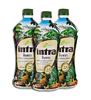
WHOLE BODY HEALTH SUPPORT – Intra Herbal Juice’s nutrients are easily and quickly absorbed by the body to boost its benefits for overall wellness and vitality.
Visit our IntraSite or the Lifestyles Intra Shop to purchase Intra and other Lifestyles products online.
Intra® Retail Price: € 35/bottle
NutriaPlus® Retail Price: € 25/bottle
FibreLife®Retail Price: € 30/bottle
New!! CardioLife® Retail Price: € 35/bottle
Better Together Pack®
New! Retail Price: €130.00
Better Together Pack (2 Intra Liquid + 1 NutriaPlus + 1 CardioLife)
New! Retail Price: €130.00
Better Together Pack (2 Intra Capsules + 1 NutriaPlus + 1 CardioLife)
Pay conveniently with Cash on Delivery, Credit Card (VISA, Mastercard, American Express, Diners Club), Paypal, Cash in Advance, Direct Debit, Invoice, or Instant Bank Transfer.
100% money-back guarantee on a 30 day supply per person. Free Returns
Lifestyles Products are only available through Independent Distributors and are NOT sold in stores. Please visit the Lifestyles Intra Shop to purchase Intra and other Lifestyles products online. Please Select your Location for Pricing and Ordering.
Plus get up to 8 Free bottle of Intra with ourLoyalty Customer Program. See buying options & discounts for Lifestyles Intra for for Lifestyles Intra Hispania.
Plus get up to 8 Free bottle of Intra with ourLoyalty Customer Program. See buying options & discounts for Lifestyles Intra for for Lifestyles Intra Canada.
Click here to see buying options for Intra in Thailand
Taiwan / South Korea
Click here to see buying options for Intra in Vitenam
Click here to see buying options for Intra in
PRICES
Please Select your FLAG & Location for Pricing.
Estonia, Lithuania, Latvia, – Lifestyles do have offices in these countries but they are not hooked up to the Lifestyles online store or enrol system. Please conact Us for more details and state the nature of your enquiry so that we can have your local company representative contact you with more details.
Estonia, Lithuania, Latvia, Ukraina, Russia – Lifestyles do have offices in these countries but they are not hooked up to the Lifestyles online store or enrol system. Please conact Us for more details and state the nature of your enquiry so that we can have your local company representative contact you with more details.
Visit the Lifestyles Intra Shop to purchase Intra and other Lifestyles products online.
Lifestyles Intra and Lifestyles Products are only available through Independent Distributors and are NOT sold in stores. Please visit the Lifestyles Intra Shop to purchase Intra and other Lifestyles products online.
Please click on the button below to become an Prefered Customer (10%-25% discount, no fee) or buy at wholesale ( up 40% discount, You shall pay Fee).
Lifestyles intra herbal juice is backed by a comprehensive, no nonsense guarantee. The customer simply returns the unused portion in the original carton to the Distributor who sold him or her the product within 30 days of the date of purchase.
Adding the right produce, nuts, and seeds to our diet is our top strategy for good mental health. Fresh produce like kale, berries, and mushrooms can curb symptoms of depression.
Among all the strategies to safeguard my mental health, eating the right foods ties for first (with getting adequate sleep) as the most important. Recently I did some substantial research on which foods promote sanity and which ones send an alarm to your limbic system (emotion center) and cause inflammation. I decided to eliminate gluten, dairy, caffeine, and sugar from my diet. I also started eating fresh produce throughout my day and made the commitment to hit the grocery store a few times a week.
As a result, I feel more emotionally resilient and less vulnerable to the impact of stress and drama on my mood.
1. Dark Leafy Greens: A Nutrient-Dense Inflammation Fighter
If you were to choose the healthiest food of all, the most nutrient-dense item available to us to eat, it would be dark, leafy greens, no contest. Spinach. Kale. Swiss chard. Greens are the first of the G-BOMBS (greens, beans, onions, mushrooms, berries, seeds) that Joel Fuhrman, MD, describes in his book The End of Dieting — the foods with the most powerful immune-boosting and anticancer effects.
“These foods help prevent the cancerous transformation of normal cells and keep the body armed and ready to attack any precancerous or cancerous cells that may arise,” he writes. Leafy greens fight against all kinds of inflammation, and according to a study published in March 2015 in JAMA Psychiatry, severe depression has been linked with brain inflammation. Leafy greens are especially important because they contain oodles of vitamins A, C, E, and K, minerals, and phytochemicals. NutriaPlus can be the right product too.
2. Walnuts: Rich in Mood-Boosting Omega-3 Fatty Acids
Walnuts are one of the richest plant sources of omega-3 fatty acids, and numerous studies have demonstrated how omega-3 fatty acids support brain function and reduce depression symptoms. A study published in the British Journal of Psychiatry is especially interesting. The lead authors ask the question, Why is the vast part biological research — from genetics to psychopharmacology — concentrated on neurotransmitters, when the mammalian brain is approximately 80 percent fat (lipids), and there is a growing body of research demonstrating the critical role of lipids in brain functioning? What’s more, the shift in the Western diet away from these necessary omega-3 fatty acids over the last century parallels the large rise in psychiatric disorders in that time.
3. Avocado: Its Oleic Acid Gives You Brainpower
You can eat a whole one every day in my salad for lunch. Avocados are power foods because, again, they contain healthy fat that your brain needs in order to run smoothly. Three-fourths of the calories of an avocado are from fat, mostly monounsaturated fat, in the form of oleic acid. An average avocado also contains 4 grams of protein, higher than other fruits, and is filled with vitamin K, different kinds of vitamin B (B9, B6, and B5), vitamin C, and vitamin E12. Finally, they are low in sugar and high in dietary fiber, containing about 11 grams each.
4. Berries: Full of Cell-Repairing Antioxidants
Blueberries, raspberries, strawberries, and blackberries are some of the highest antioxidant foods available to us. I try to have a variety for breakfast in the morning. In a study published in the Journal of Nutritional and Environmental Medicine, patients were treated for two years with antioxidants or placebos. After two years those who were treated with antioxidants had a significantly lower depression score. Antioxidants are like DNA repairmen. They go around fixing your cells and preventing them from getting cancer and other illnesses.
5. Mushrooms: Helpful Tools to Lower Blood Sugar
Here are two good reasons why mushrooms are good for your mental health. First, their chemical properties oppose insulin, which helps lower blood sugar levels, evening out your mood. They also are like a probiotic in that they promote healthy gut bacteria. And since the nerve cells in our gut manufacture 80 to 90 percent of our body’s serotonin — the critical neurotransmitter that keeps us sane — we can’t afford to not pay attention to our intestinal health.
6. Onions: Layered With Cancer-Fighting Allium
You won’t find this item on most lists of mood foods. However, it’s included in Dr. Fuhrman’s G-BOMBS because onions and all allium vegetables (garlic, leeks, chives, shallots, and spring onions) have been associated with a decreased risk of several cancers.
“Eating onions and garlic frequently is associated with a reduced risk of cancers of the digestive tract,” explains Fuhrman. “These vegetables also contain high concentrations of anti-inflammatory flavonoid antioxidants that contribute to their anticancer properties.” Again, if you consider the relationship between your digestive tract and your brain, it is understandable why a food that can prevent cancers of the gut would also benefit your mood.
7. Tomatoes: Packed With Depression Fighters
You can try to eat at least six baby tomatoes in my salad each day for lunch because tomatoes contain lots of folic acid and alpha-lipoic acid, both of which are good for fighting depression. According to research published in the Journal of Psychiatry and Neuroscience, many studies show an elevated incidence of folate deficiency in patients with depression. In most of the studies, about one-third of depression patients were deficient in folate.
Folic acid can prevent an excess of homocysteine — which restricts the production of important neurotransmitters like serotonin, dopamine, and norepinephrine — from forming in the body. Alpha-lipoic acid keeps coming up as I read more about nutrition and the brain, so I have begun to take it as a supplement, as well. It helps the body convert glucose into energy, and therefore stabilizes mood.
8. Beans: Satisfyingly High in Mood-Stabilizing Fiber
“Beans, beans, good for the heart. The more you eat, the more you … smile.” They make the G-BOMB list because they can act as anti-diabetes and weight-loss foods. They are good for my mood because my body (and every body) digests them slowly, which stabilizes blood sugar levels. Any food that assists me in evening out my blood sugar levels is my friend. They are the one starch that I allow myself, so on top of a salad, they help mitigate my craving for bread and other processed grains. You can try the dietary fiber or Lifestyles FiberLife.
9. Seeds: Small but Mighty Sources of Omega-3s
When I’m close to reaching for potato chips or any kind of comfort food, I allow myself a few handfuls of sunflower seeds or any other kind of seed I can find in our kitchen. Seeds are the last food on Fuhrman’s G-BOMBS list.
Flaxseeds, hemp seeds, and chia seeds are especially good for your mood because they are rich in omega-3 fatty acids. Fuhrman writes, “Not only do seeds add their own spectrum of unique disease-fighting substances to the dietary landscape, but the fat in seeds increases the absorption of protective nutrients in vegetables eaten at the same meal.”
10. Apples: Ripe With Antioxidants and Fiber
An apple a day could — if eaten with the rest of these foods — keep the psychiatrist away, at least for stretches of time. Like berries, apples are high in antioxidants, which can help to prevent and repair oxidation damage and inflammation on the cellular level. They are also full of soluble fiber, which balances blood sugar swings. A snack I have grown to love is almond butter on apple slices. I get my omega-3 fatty acid along with some fiber.
Important: The views and opinions expressed in this article are those of the author and not Everyday Health.
Once your health care provider finds out why you are forming stones, he or she will give you tips on how to prevent them. This may include changing your diet and taking certain medications. There is no “one-size-fits-all” diet for preventing kidney stones. Everyone is different.
Your diet may not be causing your kidney stones to form. But there are dietary changes that you can make to stop stones from continuing to form. Below are some tips.
If you are not producing enough urine, your health care provider will recommend you drink at least 3 liters of liquid each day. This equals about 3 quarts (about ten 10-ounce glasses). This is a great way to lower your risk of forming new stones. Remember to drink more to replace fluids lost when you sweat from exercise or in hot weather. All fluids count toward your fluid intake. But it’s best to drink mostly no-calorie or low-calorie drinks. This may mean limiting sugar-sweetened or alcoholic drinks.
Knowing how much you drink during the day can help you understand how much you need to drink to produce 2.5 liters of urine. Use a household measuring cup to measure how much liquid you drink for a day or two. Drink from bottles or cans with the fluid ounces listed on the label. Keep a log, and add up the ounces at the end of the day or 24-hour period. Drink enough fluids each day, how?Read more…
Use this total to be sure you are reaching your daily target urine amount of at least 85 ounces (2.5 liters) of urine daily. Health care providers recommend people who form cystine stones drink more liquid than other stone formers. Usually 4 liters of liquid is advised to reduce cystine levels in your urine.
Tip! Use the Intra Herbal Juice 10 minutes before meals with a glass of an infantile water. We recommend long term usage of Intra.
There are several organs that expulse invading toxins from our remarkable organism – the human body. The most important role in this process belongs to the liver, which is responsible for all chemical activity in the body. In particular, it is active in the processing of digested food. The liver makes the most serious “decisions” in food absorption. The most significant and remarkable organ has the capability to regenerate itself. I f we only had half of our liver, it would still be capable of performing all its functions. Read more…
Reduce the amount of salt in your diet.
This tip is for people with high sodium intake and high urine calcium or cystine. Sodium can cause both urine calcium and cystine to be too high. Your health care provider may advise you to avoid foods that have a lot of salt. The Centers for Disease Control (CDC) and other health groups advise not eating more than 2,300 mg of salt per day. The following foods are high in salt and should be eaten in moderation:
Cheese (all types)
Most frozen foods and meats, including salty cured meats, deli meats (cold cuts), hot dogs, bratwurst and sausages
Canned soups and vegetables
Breads, bagels, rolls and baked goods
Salty snacks, like chips and pretzels
Bottled salad dressings and certain breakfast cereals
Pickles and olives
Casseroles, other “mixed” foods, pizza and lasagna
Canned and bottled sauces
Certain condiments, table salt and some spice blends
The main causes of chronic kidney disease are diabetes and high blood pressure, please control them.
Eat the recommended amount of calcium.
If you take calcium and magnesium supplements, make sure you aren’t getting too much calcium. On the other hand make sure you aren’t getting too little calcium and magnesium either. Talk with your health care provider or dietitian about whether you need supplements. Good sources of calcium to choose from often are those low in salt. Eating calcium and magnesium-rich foods or beverages with meals every day is a good habit. There are many non-dairy sources of calcium, such as calcium-fortified non-dairy milks. There are good choices, especially if you avoid dairy.
You can usually get enough calcium from your diet without supplements if you eat three-to-four servings of calcium-rich food. Many foods and beverages have calcium in them. Some foods and beverages that might be easy to include on a daily basis with meals are:
Add Magnesium rich foods
Magnesium is an extremely important mineral. It’s involved in hundreds of chemical reactions in your body and helps you maintain good health. Unfortunately, many people don’t reach the recommended daily intake of 400 mg . However, eating foods high in magnesium can help you meet the daily requirement. Here are 10 healthy foods that are high in magnesium: Dark Chocolate, Nuts, Whole Grains, Fatty Fish( salmon, mackerel and halibut), Avokados, Legumes, Seeds, Tofu, Bananas, Leafy greens.
Eat plenty of fruits and vegetables.
Eating at least five servings of fruits and vegetables daily is recommended for all people who form kidney stones. Eating fruits and vegetables give you potassium, fiber, magnesium, antioxidants, phytate and citrate, all of which may help keep stones from forming. A serving means one piece of fruit or one potato or one cup of raw vegetables. For cooked vegetables, a serving is ½ cup. If you are worried you may not be eating the right amount of fruits and vegetables, talk to your health care provider about what will be best for you.
Eat foods with low oxalate levels.
This recommendation is for patients with high urine oxalate. Eating calcium-rich foods (see table above) with meals can often control the oxalate level in your urine. Urinary oxalate is controlled because eating calcium lowers the oxalate level in your body. But if doing that does not control your urine oxalate, you may be asked to eat less of certain high-oxalate foods. Nearly all plant foods have oxalate, but a few foods contain a lot of it. These include spinach, rhubarb and almonds. It is usually not necessary to completely stop eating foods that contain oxalate. This needs to be determined individually and depends on why your oxalate levels are high in the first place.
Eat less meat.
If you make cystine or calcium oxalate stones and your urine uric acid is high, your health care provider may tell you to eat less animal protein.If your health care provider thinks your diet is increasing your risk for stones, he or she will tell you to eat less meat, fish, seafood, poultry, pork, lamb, mutton and game meat than you eat now. This might mean eating these foods once or twice rather than two or three times a day, fewer times during the week, or eating smaller portions when you do eat them. The amount to limit depends on how much you eat now and how much your diet is affecting your uric acid levels.
Medications
Changing your diet and increasing fluids may not be enough to prevent stones from forming. Your health care provider may give you medications to take to help with this. The type of stone and the urine abnormalities you have will help your health care provider decide if you need medicine and which medicine is best. Common medications include:
Thiazide diuretics
are for patients who have calcium stones and high levels of calcium in their urine. Thiazides lower urine calcium by helping the kidney take calcium out of the urine and put it back in the blood stream. When taking thiazides, you need to limit how much salt you take in, as these medications work best when urine sodium is low.
Potassium citrate
is for patients with calcium stones and low urinary citrate, and for those with uric acid and cystine stones. Potassium citrate makes the urine less acidic or more alkaline (basic). This helps prevent cystine and uric acid stones. It also raises the citrate level in the urine, helping to prevent calcium stones.
Allopurinol
is frequently prescribed for gout, which is caused by high uric acid in the blood. Allopurinol not only lowers the level of uric acid in the blood but also in the urine, so it may also be prescribed to help prevent calcium and uric acid stones.
Acetohydroxamic acid (AHA)
is for patients who produce struvite or infection stones. These stones form because of repeated urinary tract infections (UTI). AHA makes the urine unfavorable for struvite stones to form. The best way to prevent stuvite stones is to prevent repeated UTIs caused by specific types of bacteria and to completely remove the stones with surgery.
Cystine-binding thiol drugs
are used only for patients who form cystine stones. These medications (d-penicillamine or tiopronin) bind to cystine in the urine and form a compound that is less likely than cystine to crystallize in the urine. This drug is used when other measures fail, such as raising fluid intake, reducing salt intake or using potassium citrate.
Vitamin supplements and kidney stones
Yes. They should be used carefully as some can increase your risk of forming kidney stones. Your health care provider and a dietitian may be good sources of information about over-the-counter nutritional supplements.
Our Tip! Use the Intra Herbal Juice 10 minutes before meals with a glass of an infantile water with lemon. We recommend long term usage of Intra, FiberLife, CardioLife and NutriaPlus.
Contains information related to marketing campaigns of the user. These are shared with Google AdWords / Google Ads when the Google Ads and Google Analytics accounts are linked together.
90 days
__utma
ID used to identify users and sessions
2 years after last activity
__utmt
Used to monitor number of Google Analytics server requests
10 minutes
__utmb
Used to distinguish new sessions and visits. This cookie is set when the GA.js javascript library is loaded and there is no existing __utmb cookie. The cookie is updated every time data is sent to the Google Analytics server.
30 minutes after last activity
__utmc
Used only with old Urchin versions of Google Analytics and not with GA.js. Was used to distinguish between new sessions and visits at the end of a session.
End of session (browser)
__utmz
Contains information about the traffic source or campaign that directed user to the website. The cookie is set when the GA.js javascript is loaded and updated when data is sent to the Google Anaytics server
6 months after last activity
__utmv
Contains custom information set by the web developer via the _setCustomVar method in Google Analytics. This cookie is updated every time new data is sent to the Google Analytics server.
2 years after last activity
__utmx
Used to determine whether a user is included in an A / B or Multivariate test.
18 months
_ga
ID used to identify users
2 years
_gali
Used by Google Analytics to determine which links on a page are being clicked
30 seconds
_ga_
ID used to identify users
2 years
_gid
ID used to identify users for 24 hours after last activity
24 hours
_gat
Used to monitor number of Google Analytics server requests when using Google Tag Manager
1 minute
Marketing cookies are used to follow visitors to websites. The intention is to show ads that are relevant and engaging to the individual user.
A video-sharing platform for users to upload, view, and share videos across various genres and topics.
Registers a unique ID on mobile devices to enable tracking based on geographical GPS location.
1 day
VISITOR_INFO1_LIVE
Tries to estimate the users' bandwidth on pages with integrated YouTube videos. Also used for marketing
179 days
PREF
This cookie stores your preferences and other information, in particular preferred language, how many search results you wish to be shown on your page, and whether or not you wish to have Google’s SafeSearch filter turned on.
10 years from set/ update
YSC
Registers a unique ID to keep statistics of what videos from YouTube the user has seen.
Session
DEVICE_INFO
Used to detect if the visitor has accepted the marketing category in the cookie banner. This cookie is necessary for GDPR-compliance of the website.
179 days
LOGIN_INFO
This cookie is used to play YouTube videos embedded on the website.